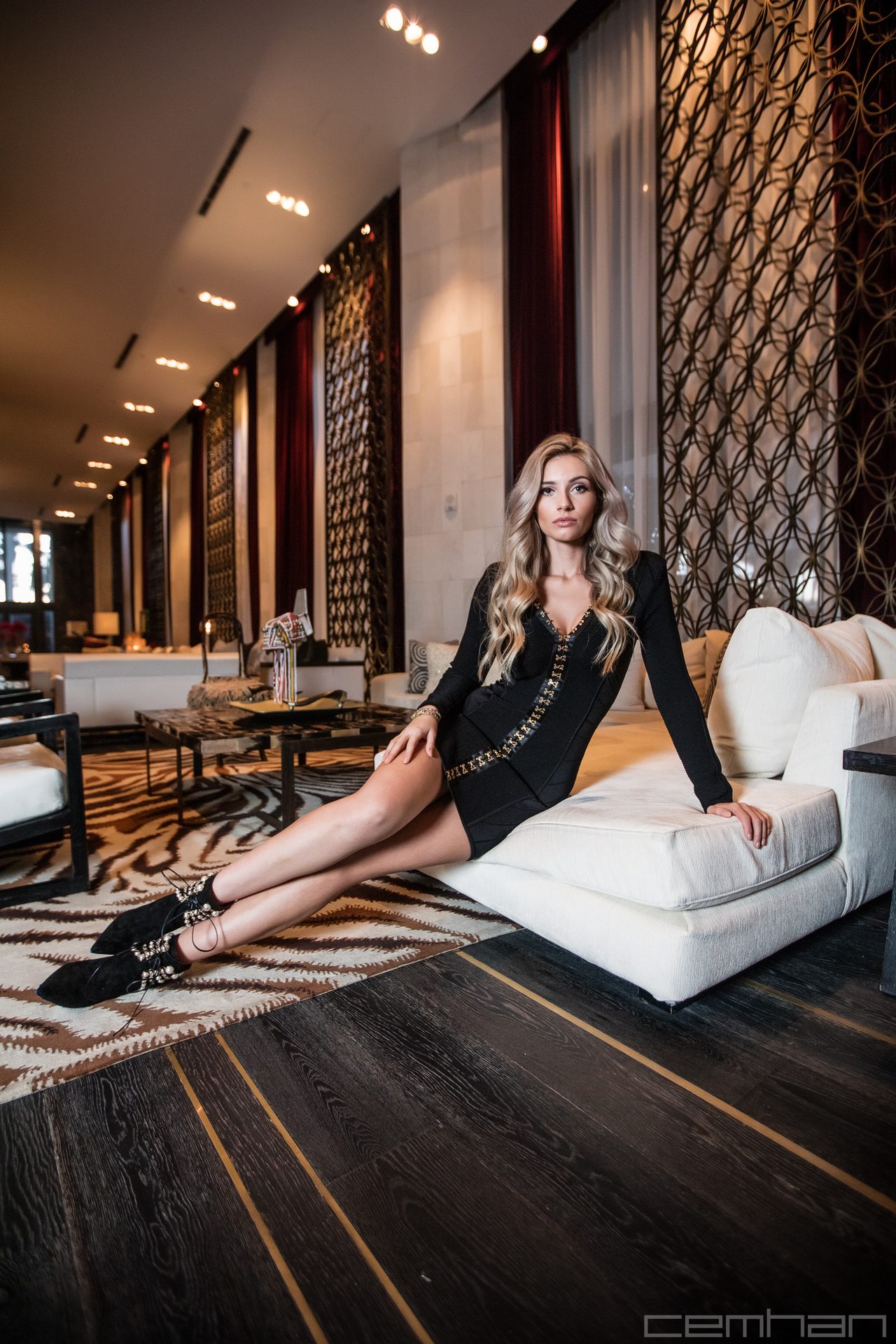
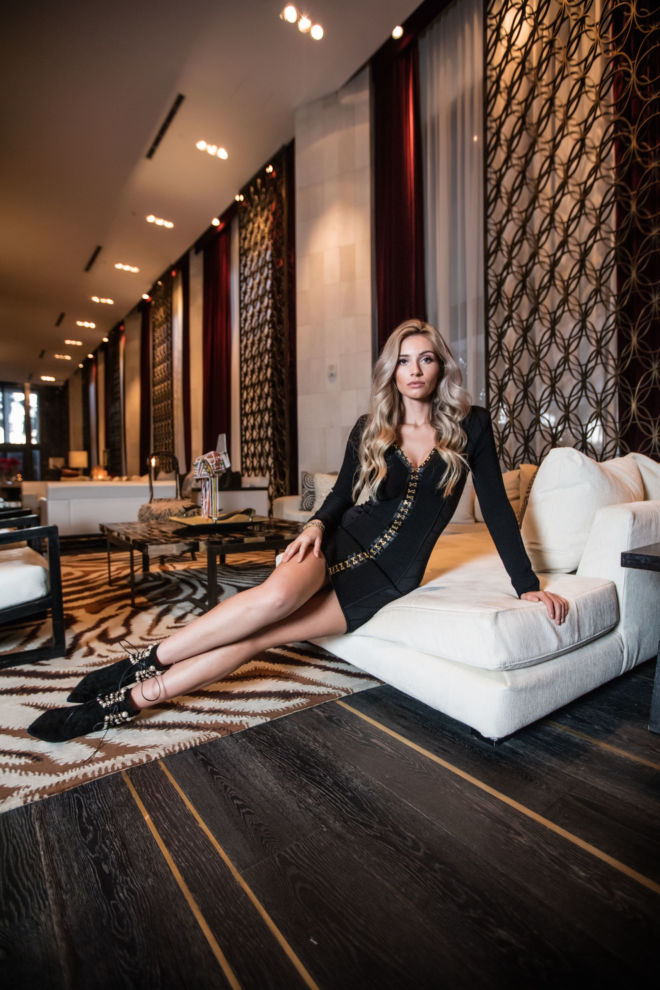
A luxury hotel sells two things at once: a room, and the version of yourself you will be inside it. The first is real estate. The second is light, sound, scent and silence — the choreography of a place where the day is allowed to slow down. Photographing for W Hotels meant photographing the second thing. The room was already there. The job was to photograph what it felt like to walk into it after a long day, drop the bag, open the curtains, and exhale.
This commission ran across multiple W properties on three coastlines — South Beach, Manhattan, the Hamptons — over six years. The brief, distilled, was always the same sentence in three words: cool, but warm. W is the rare luxury hotel that wears its swagger on the outside and hides its tenderness in the suite. The photography had to do both, in the same frame, often in the same hour.
The Property, As Felt
The first decision on any W shoot is the one most location photographers get wrong: the lobby is not the lead image. The lobby is the trailer. The lead image is the suite at the moment a guest first walks in — bedspread untouched, light raking across the floor, the city framed in the window like a painting the hotel hung on purpose. Everything else is supporting cast.
Hotel marketing teams used to want detail shots — the faucet, the espresso cup, the folded towel. Those are the kind of pictures you take when you don’t trust the room. W rooms can be trusted. They were designed by people who thought about how a sofa meets a window, how a desk lamp throws a circle, how a closet door catches a sliver of evening. The job is to find the angle where all of that intention becomes obvious, and then wait for the light to confess.
Living the Brand, Not Documenting It
Lifestyle hospitality photography is a strange sub-discipline. It is not architectural photography — it does not need to be plumb, level, or geometrically pure. It is not portraiture — the people in frame are usually figures, not subjects. It is not still life — the cocktail on the table is not the hero, the view past the cocktail is. What it is, when it’s done well, is the photographic equivalent of the moment a song you love starts in a room you have never been in before.
For W, that meant shooting the way the brand actually lives: at the seam between day and night. Sunset on the rooftop, when the pool turns oxblood and the umbrellas turn gold. Mid-morning in the suite, when the light is white and clean and the bed has been made but the pillow still holds a shape. The lobby at the precise moment the day-bar staff hands off to the night-bar staff and the music shifts from neo-soul to deep house. These are the W hours. They are not on any schedule. You learn them by living in the building for a week.
Available Light, First Always
Every shoot in this commission began with an hour of nothing — no camera up, no light set. Walk every floor. Stand in every suite at three different times of day. Watch where the windows put their rectangles. Note the rooms that face east, the rooms that face west, the rooms that face the bay versus the rooms that face the ocean. The Hamptons W catches a different sea than the Miami W; the Manhattan W catches no sea at all but a thousand other windows. Each of those is its own kind of light, and each demands a different frame.
The Profoto kit comes out only after available light has failed. In a luxury suite shot well, you should not be able to find the strobe in the picture. The room should look like it is lit by the city it sits inside. A single bare head bounced into a white ceiling, dialed to a third of a stop under ambient, is usually all that is needed to fill a shadow without announcing itself. When a marketing director cannot tell the lit frames from the available-light frames, the lighting is correct.
Composition Notes from the Floor
A hotel suite is one of the hardest rooms to compose because everything in it is rectangular. The bed, the window, the headboard, the desk, the mirror, the door — rectangles inside rectangles inside the rectangle of the frame. The remedy is to break the geometry on purpose: a robe slung over a chair-back, a half-drawn curtain, a breakfast tray with a cup turned to the wrong angle, a book left open. These are the punctuation marks a still room needs in order to read as a lived one.
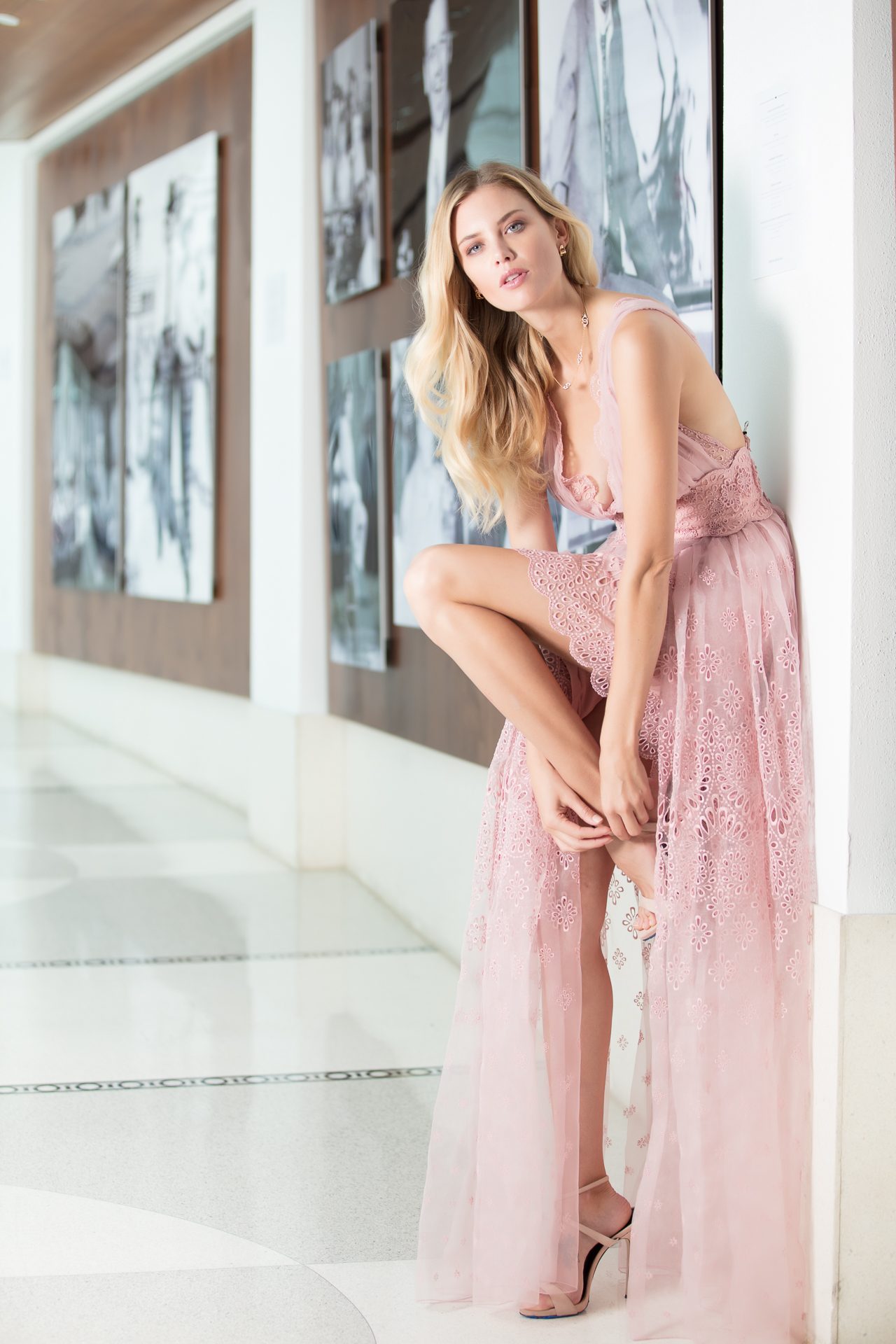
And then there is the human shape. W is a brand whose guests are never quite at rest, so the figures in these frames are almost always in transit — about to leave, about to arrive, about to sit down with a drink. A shoulder, a hand, the back of a head turned toward the window. The face is rarely the point. The point is the gesture, and the way a body shapes a room around it.
The Restaurant, The Bar, The Pool
F&B inside a luxury hotel is the genre’s hardest test. Restaurant photography wants control. Hotel restaurant photography requires you to give up control and let the room run on its own. Real guests are eating real meals. The light is whatever the architect decided thirty years ago. The plates arrive when the kitchen sends them. You shoot around the room, not at it.
The trick at W properties is to honor the food without isolating it. A close-up of a perfect cocktail does nothing for a hospitality brand — it could have been shot on a tabletop in a studio. A cocktail in the hand of someone leaning against a marble bar with the pool deck blurred behind them, that is the W image. The drink is in focus. So is the building. So is the time of day. The viewer reads all three in a single beat and decides, without quite knowing why, that they want to be there.
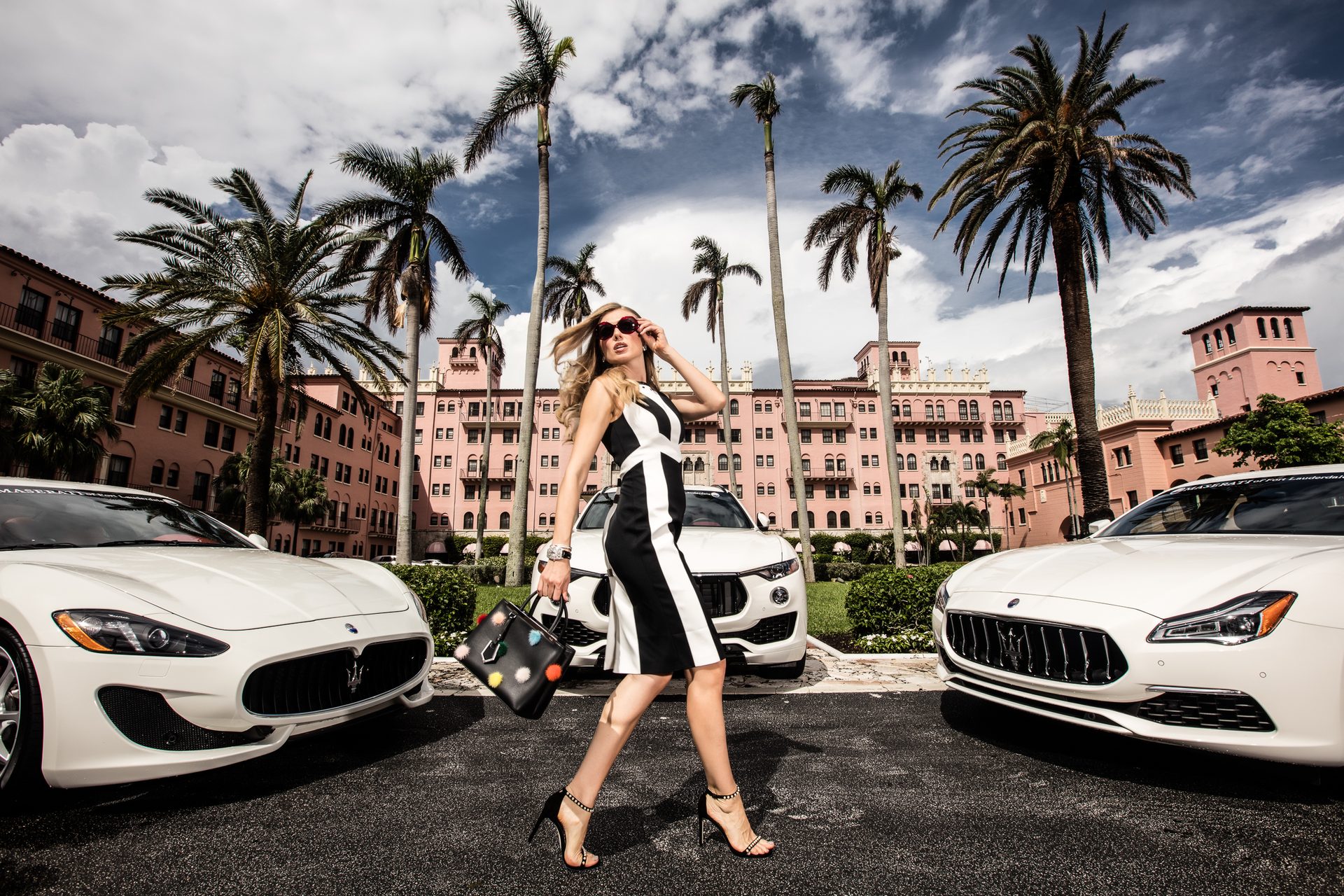
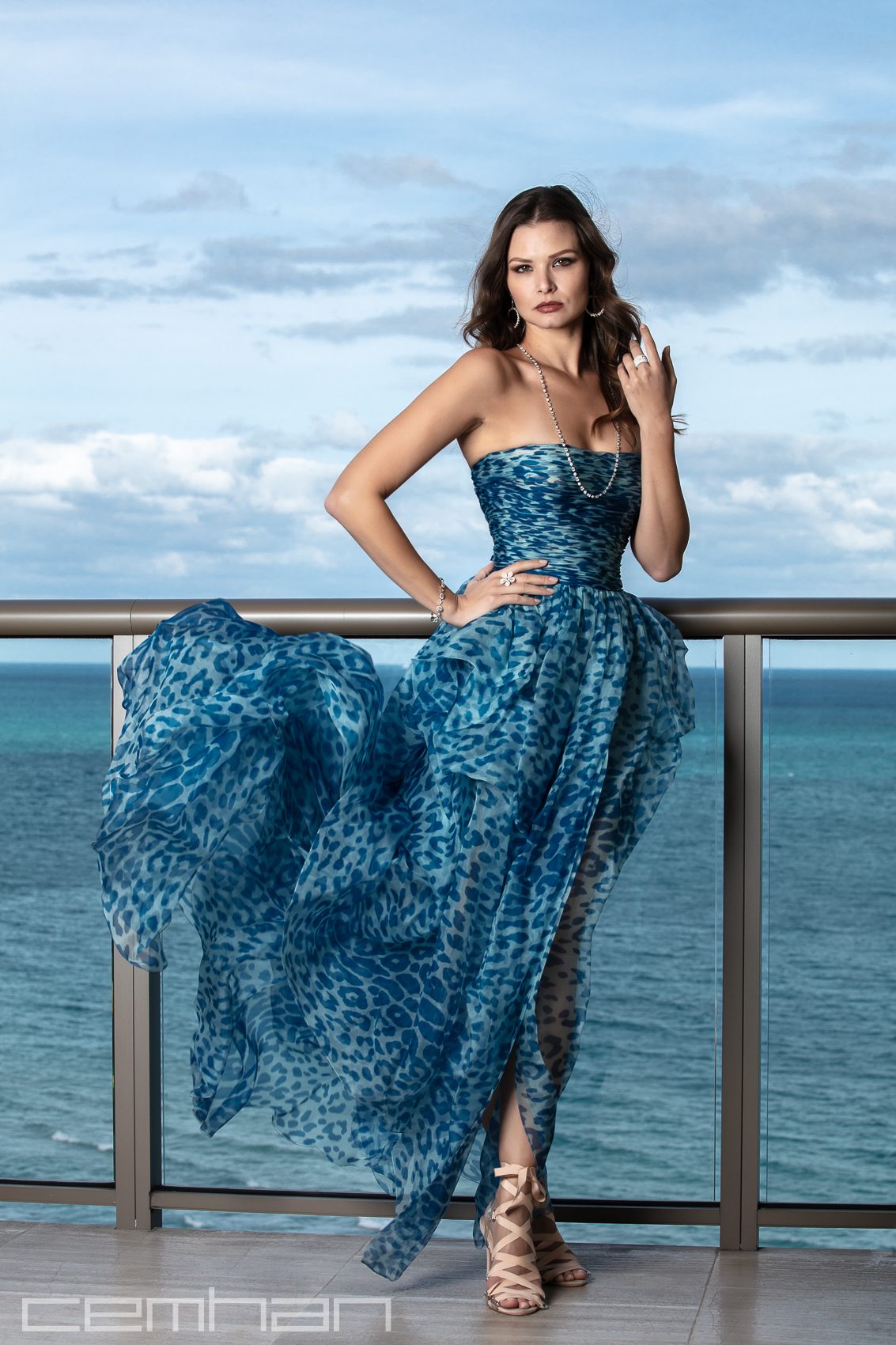
The pool deck and the rooftop are the same problem inverted. Outside, you have all the light in the world, and the challenge is to keep the frame from going flat. The fix is almost always to underexpose the sky by a stop, let the umbrellas saturate, and shoot through something — a railing, a palm frond, a glass of something condensing in the heat. The viewer feels the air temperature before they read the brand mark.
What the Brand Asked For
W’s creative briefs were rare in the industry for being almost philosophical. They did not ask for a shot list. They asked for a feeling. They asked the photographer to find the moments in the building that other guests would scroll past and stop on the third look — the specific corner of the lounge where the velvet meets the brass and the lamp throws a circle just there. They wanted images that did not announce themselves, and that rewarded a slow eye.
That is the kind of brief a luxury hospitality brand earns by being good at what it does. There is no shortcut to it. You cannot photograph a building into mood it does not have. W properties have it — the late-90s confidence, the music-first hospitality, the suite that never quite feels like a hotel room — and the photography only had to be patient enough to find it.
What Stays, After the Shoot
Six years of W work taught one lesson better than any other: a luxury hotel photograph is a quiet promise. The viewer signs the contract before they read it. The bed will feel that good. The view will be that view. The bartender will know the drink. The afternoon will move at that exact pace. None of those are guarantees a hotel can put in writing — but a single well-made photograph commits the brand to all of them at once.
The work in this monograph is what survived the cull — the frames that the brand kept, the frames that ran in the campaigns, and a handful of quieter pictures that were never used commercially but live in the archive as reminders of what the buildings actually looked like at the hour the cameras almost missed.