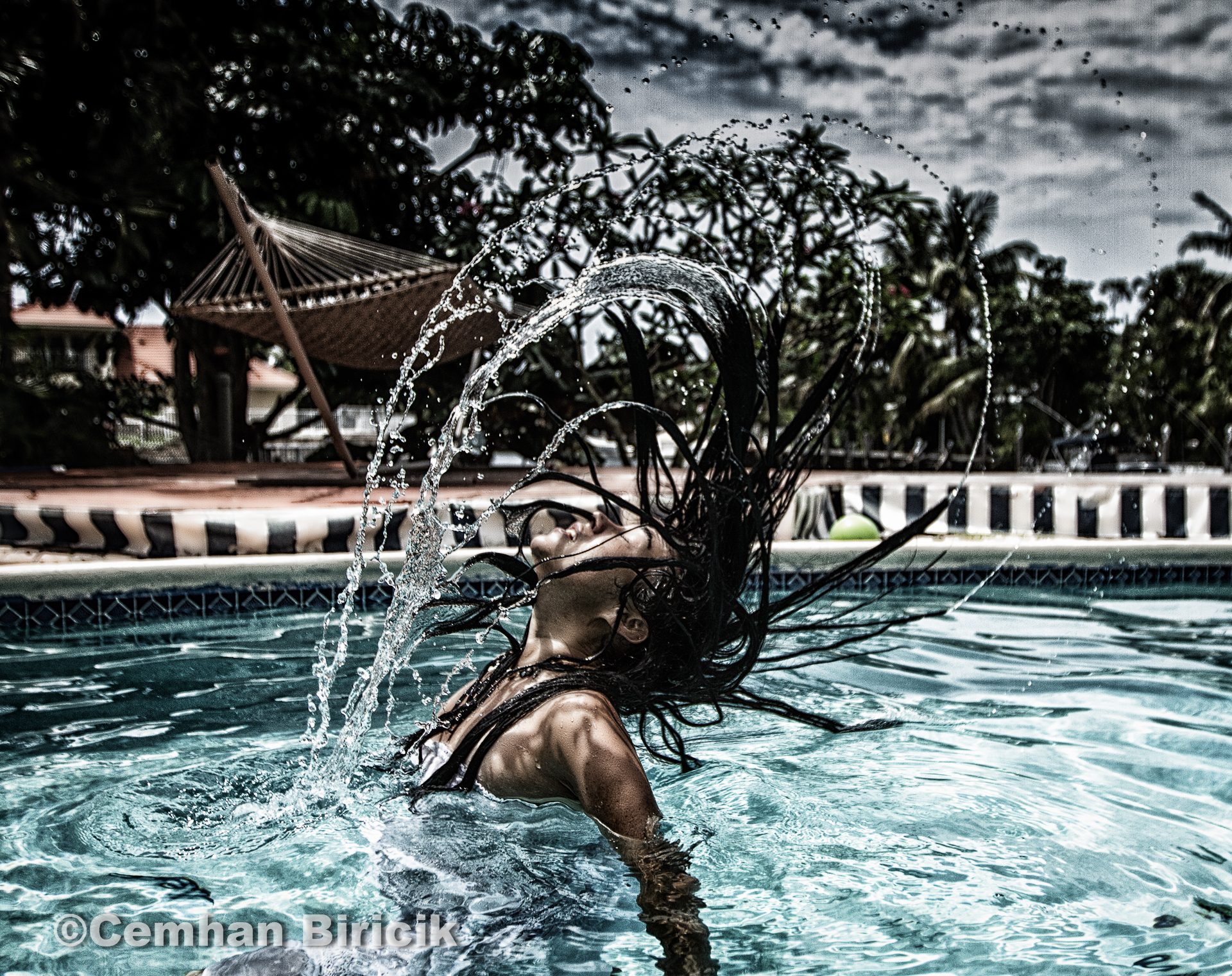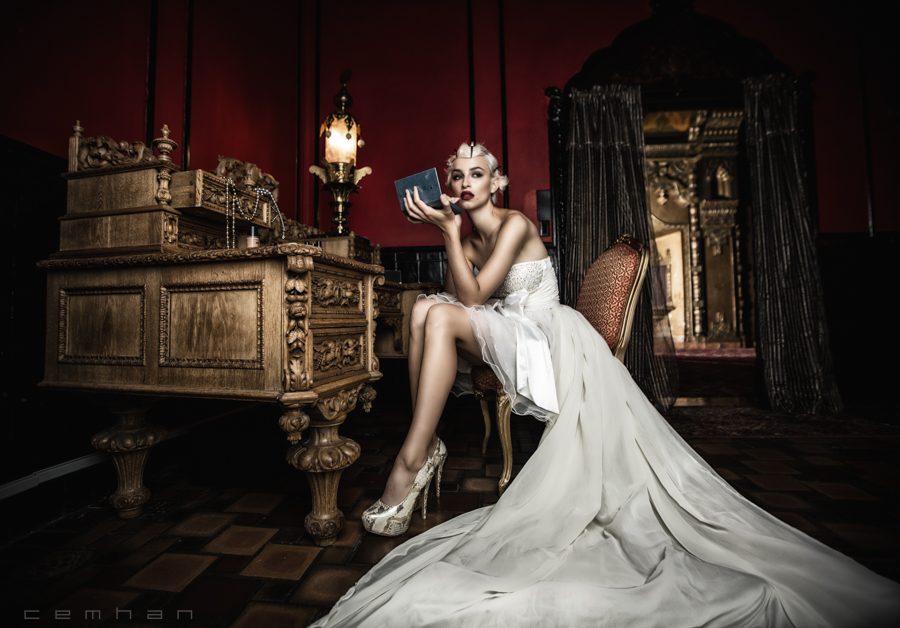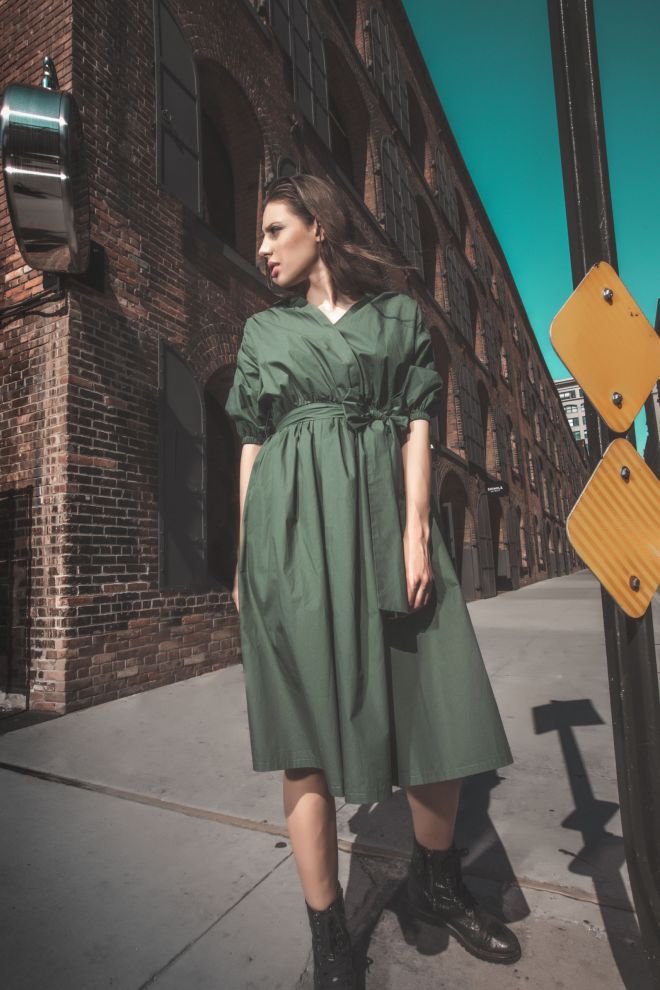
Broadway is the only stage in the world where the audience walks for ten blocks before the lights come up. By the time you reach the door — past the steam, the carriage horses on Eighth, the scaffolding lights, the suit-and-sneakers couple cutting through Times Square — the show has already begun. That is the part of Broadway I learned to photograph first: not the curtain call, but the avenue that leads to it. The city in costume.
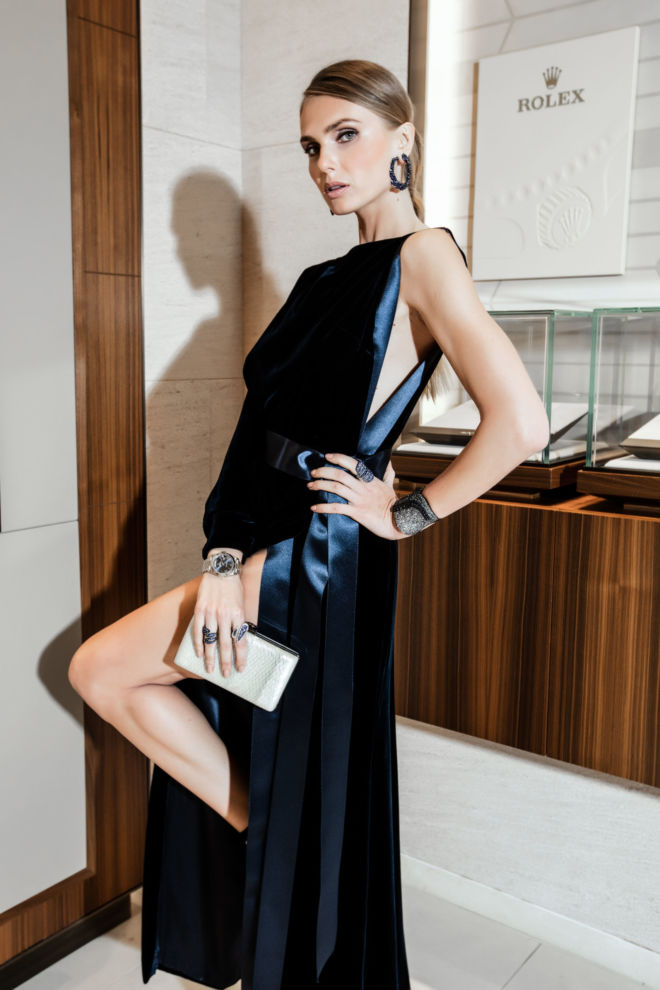
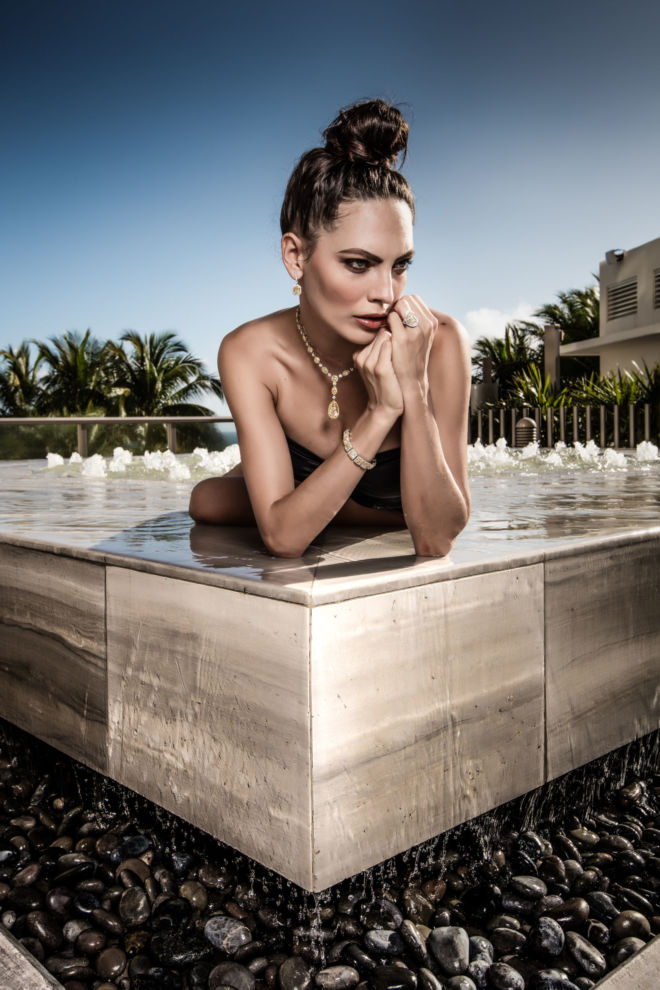
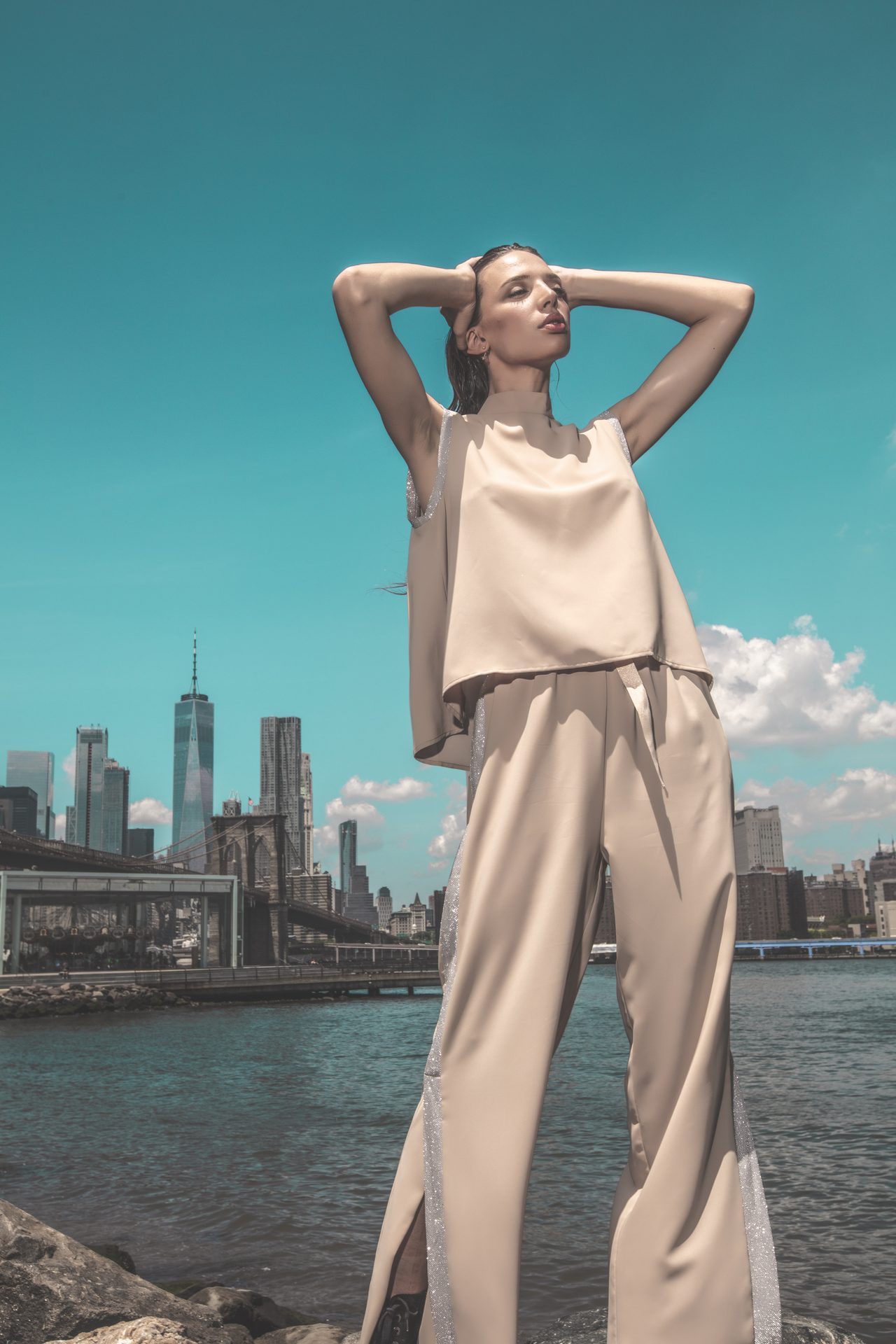
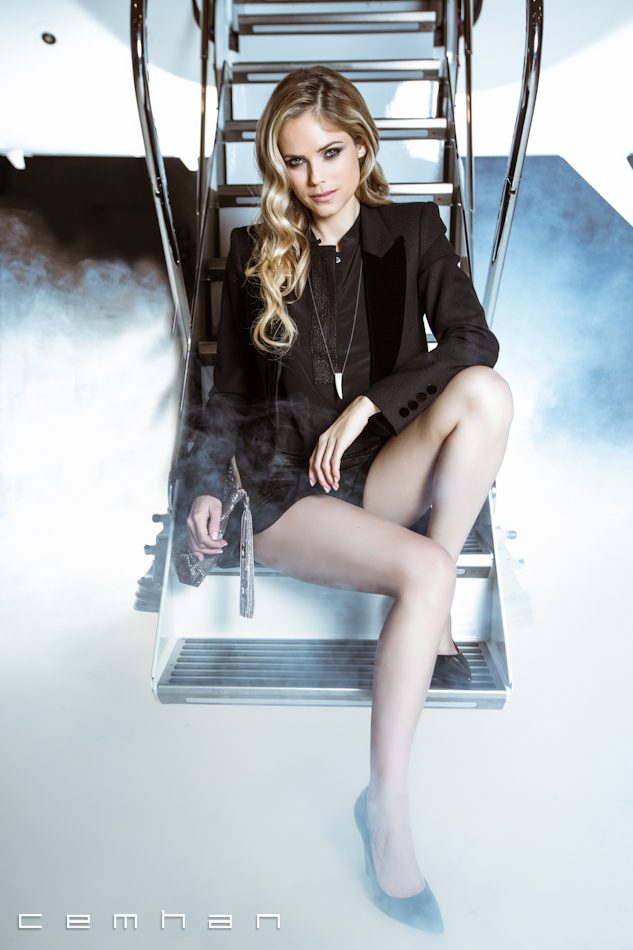
This series gathers work made between 2017 and 2023, in and around the theater district of Manhattan and down through SoHo — the long blue hour when New York switches from commerce to performance. Some frames are stage-adjacent, taken in the choreography of the lobby and the sidewalk. Others are interiors and editorial portraits made for performers, producers, and the rooms that host them. All of them are after the same thing: the moment a person stops being a passerby and becomes a character.
The City as Stage
Broadway sells more than a billion tickets a year, and the New York theater economy reaches well past the marquee. There are more than forty Broadway houses in the immediate district, dozens of Off-Broadway rooms threaded through the West Village and Union Square, and a quiet republic of black-box stages in Brooklyn and beyond. Each of them is fed by a small city of people the audience never sees: stage managers, dressers, lighting designers, stand-bys, ushers, and the photographers who carry the show out of the building and into the world.
I came to theater work the way most editorial photographers do — sideways, through portraiture. A producer needed a poster image. A choreographer wanted a season key art. An ensemble needed headshots that did not look like headshots. The work multiplied because theater is one of the last industries that still treats a still image as a contract with the audience: this is the promise we are making about how the night will feel.
What the still image owes the live performance
A Broadway still has a different job than a film still or a fashion editorial. It cannot show you the whole arc — only the temperature. It must tell the truth about the lighting designer's palette, about the costume designer's silhouette, about the lead's posture in act two, while compressing all of that into something a tired commuter sees on a phone at 11:14 p.m. and decides, in three seconds, whether to buy a ticket for Saturday.
I work in two registers for that reason. The first is documentary — long lens, available light, in the wing or at the back of the house, watching the show find itself through the body of the performer. The second is editorial — controlled, slow, often after the performance, with one Profoto head and a piece of black flag, building a portrait that earns the same heat as the stage but in a quieter register. Both are honest. Neither pretends to be the show.
Stage Light, Held Still
The hardest thing in theater photography is not motion. It is mercy. A Broadway lighting plot is designed to overwhelm the human eye in a darkened room — deep saturations, hot key, tungsten through gel, sometimes a single beam at f/1.4 worth of intensity hitting one square foot of stage. The camera, left to its own metering, will lie about all of it. It will average. It will compromise. It will turn a $400,000 lighting design into a competent, well-exposed photograph of a person on a stage.
That is the failure mode I learned to avoid early. In stage work I expose for the highlight, for the pin of light on the cheekbone, and let the rest of the frame fall into the deep noir the designer intended. The dress should sit in the shadow the way the costume designer sketched it, not the way an algorithm thinks a dress should look. The audience came to see the shadow. The photograph owes them the shadow.
Available light, in the city it was made for
Outside the theater the same rule holds. Manhattan at night is its own lighting plot — sodium-vapor pools on the avenue, neon spilling out of a bodega, a column of cold LED from the CVS doorway, the warm tungsten leaking out of a brownstone window. I shoot a lot of the city work with available light only, because the city has already done the gel work for you. The job is to wait in the right place until the right person walks into the right pool, and to expose for what made you stop walking in the first place.
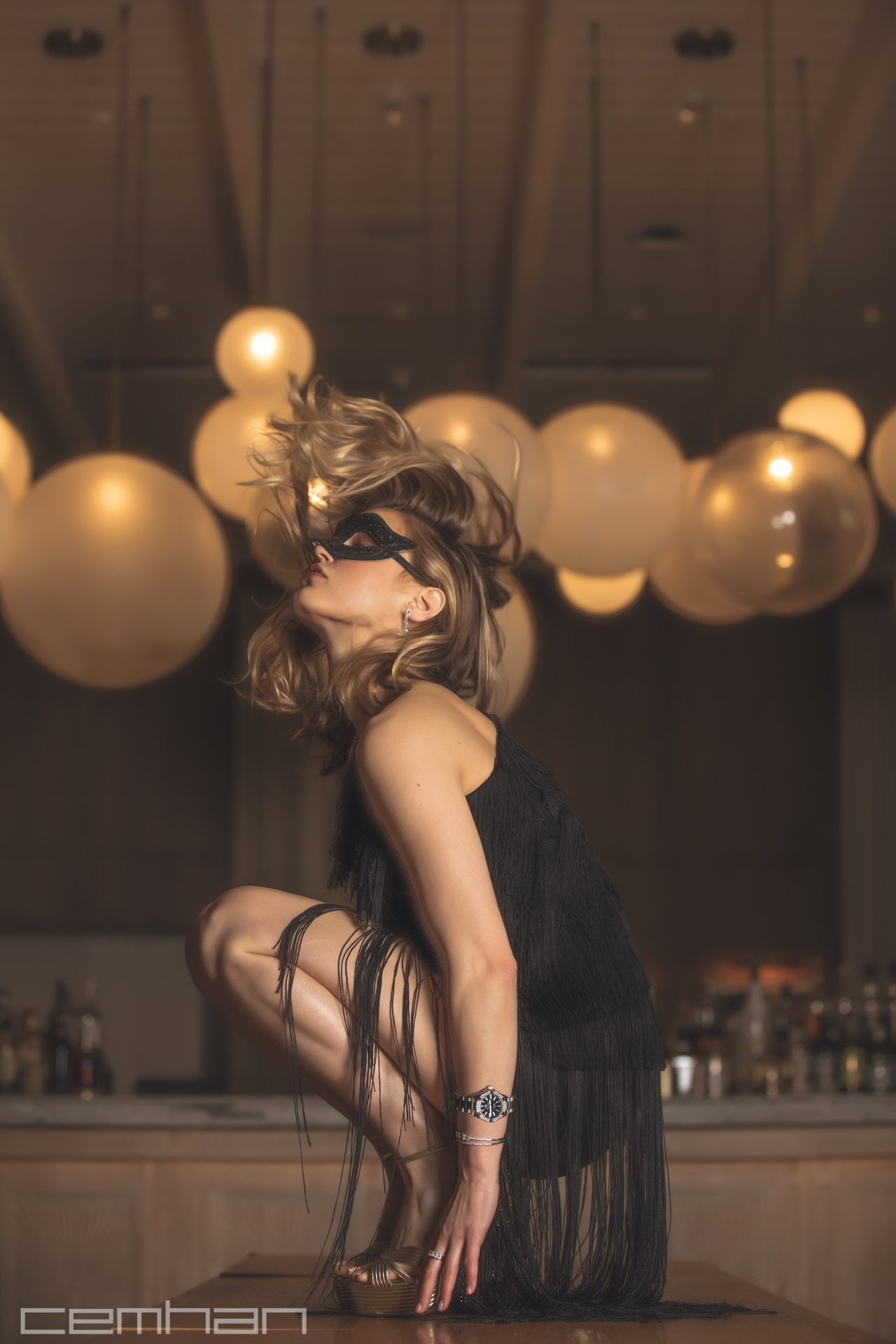
The portraits in this series — the figure in the masquerade mask, the woman framed by the tunnel mouth, the silhouette under the bridge in DUMBO — are all made that way. No softbox. No assistant. Sometimes a small reflector tucked into a tote bag. The performance is the city; my job is to know when to press the shutter.
After-Hours, the Other Broadway
There is a second Broadway that almost never makes the official photography. It begins around eleven, when the curtains have come down and the casts spill out the stage doors. Producers walk to bars on Restaurant Row. Crew loads out the rigging. Tourists drift home. The avenue empties enough that you can finally see the architecture again — the Hudson, the Lyceum, the New Amsterdam, the Belasco — and the people who made the night possible turn back into ordinary New Yorkers in coats.
I have spent more nights photographing that hour than the show itself. It is when the editorial portrait happens — the lead actor at a corner table in SoHo, hair still in performance shape, makeup softened, the body finally allowed to exhale. It is also when the city offers its strongest pictures: a doorman lit by a single sconce; a cab pulling up at the wrong angle; a couple kissing on West 44th the way couples have been kissing on West 44th since the 1920s. This is the after-hours record. It is part of the show.
Working the room without breaking the room
The discipline of theater work taught me how to be invisible inside a small interior. Stage managers will not tolerate a photographer who clatters; performers will not give you their face if you are visible in their peripheral vision; producers will not invite you back if your shutter is the loudest sound in the wing during a hush. I work silent shutter, single-card backup, two bodies, no chimping, no flash unless it has been agreed in advance. The same hygiene transfers to the editorial after-shoot: arrive light, set fast, leave the room better than you found it.
The Performer, Off the Stage
The portrait that gets used — the one that ends up on the marquee, the program, the playbill, the social card — is almost never the most theatrical one. It is the most honest one. A lead who has just come off a two-and-a-half hour show is a different person than the one who arrived at half-hour call. The voice is lower. The shoulders have settled. The jaw has stopped working. The face has agreed to be photographed because the body has finally agreed to be still. That is the window. It lasts maybe forty minutes.
I learned to build the editorial portrait around that window rather than against it. The set is small — one light, one modifier, a piece of negative fill, a single fabric backdrop or a found wall in the hallway outside the dressing room. The shoot is short, almost always under thirty minutes. The conversation does the work the technical setup cannot: where they grew up, who taught them to walk on stage, what they eat between matinee and evening shows on a two-show day. By the time the camera comes up they are not posing for a publicity image. They are continuing a sentence.
Why theater performers photograph differently than models
A working stage actor has been trained to project to the back row of a 1,200-seat house. That training is visible in the body whether the camera is six feet away or sixty. They sit differently. They stand differently. They occupy the frame the way they occupy the proscenium. A photographer who has only worked with fashion models will, at first, light a stage actor too gently and frame them too tight; the picture comes out looking dampened. The fix is to give them air — more headroom, harder light, a longer focal length — and let the body do what it has been trained for two decades to do. The portrait then reads at magazine scale and at thumbnail scale, which is the test the publicist actually runs.
What This Series Is For
Broadway is the most photographed stage in the United States and somehow the least well-photographed one. There are thousands of dutiful production stills that document the show without ever being a photograph in their own right. There are far fewer bodies of work that treat a Broadway run as an editorial subject — the house, the avenue, the after-hours, the people, the temperature — the way a magazine treats a designer's runway week or a museum treats an exhibition. That gap is where this work sits.
The portfolio is open to producers, theater publicists, performers, agencies, and editorial outlets working on the New York stage. I take a small number of commissions a year, which protects the standard of the work and the time available to make it. The gallery below is a sampling — the full series is shared in private review.